EN
EN

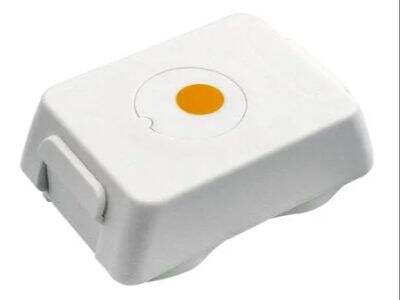
Bluetooth Low Energy (BLE) beacons is small devices that use Bluetooth tech to send signals to nearby smartphones and tablets. These signals help apps on the devices to find out where the user are and provide useful info or services. BLE beacons are very energy-efficient, so they can run for long time on just a little battery power. They has many uses, especially for businesses who want to connect with customers in new ways. For example, a store can use beacons to send special offers to customers who walk by. Our company, FUWIT, is dedicated to creating high-quality BLE beacons that help businesses grow and improve customer experiences.
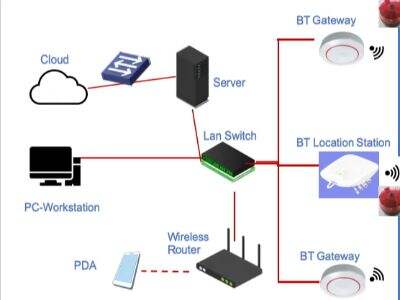
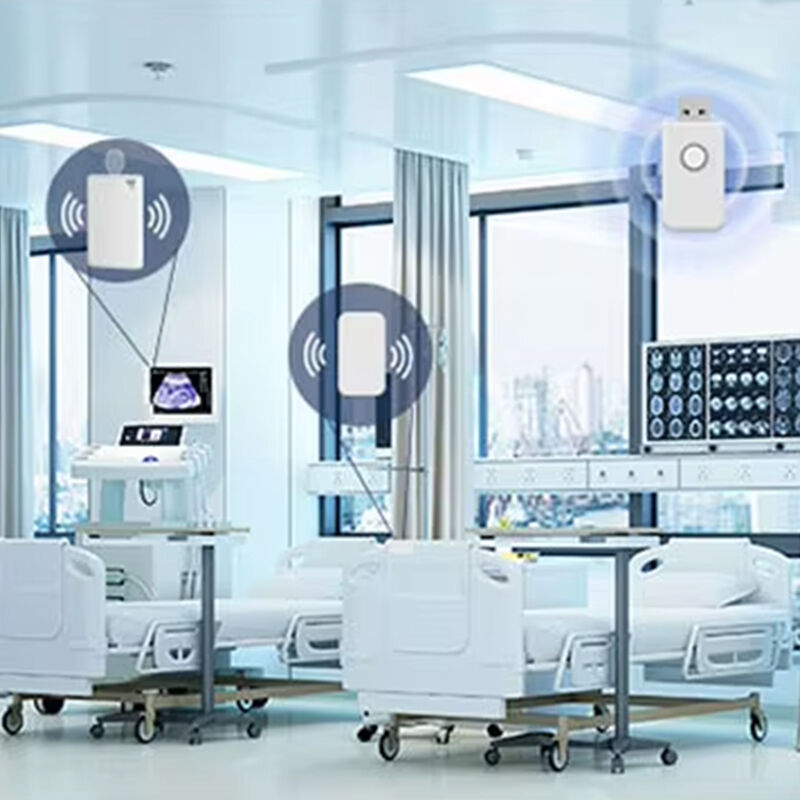
BLE beacons are small, wireless devices that send and receive signals using Bluetooth technology. They work by broadcasting a unique identifier to nearby devices. When someone with a compatible smartphone come close to a beacon, the phone can detect the signal. This open up many possibilities for businesses. For instance, a museum can place beacons near exhibits, and when a visitor walks by, their phone receive information about the exhibit, making the experience more engaging. Businesses can also use these beacons to track customer movement in stores. By knowing where customers spend their time, stores can change their layouts or place popular items in better spots because this data helps businesses make smart decisions. Another great benefit is the low cost of running BLE beacons. They use very little battery power and can last for months or even years without needing new batteries. This makes them a cost-effective choice for many companies. In addition, businesses can send personalized messages to customers through apps. If someone is near a coffee shop, they might get a notification about a discount on their favorite drink. These interactions create a stronger bond between the business and the customer. Overall, BLE beacons are a smart investment for businesses looking to improve customer engagement and make their services more efficient. Additionally, BLE technology can also be used in applications such as Bluetooth AOA positioning, which enhances location-based services.