EN
EN

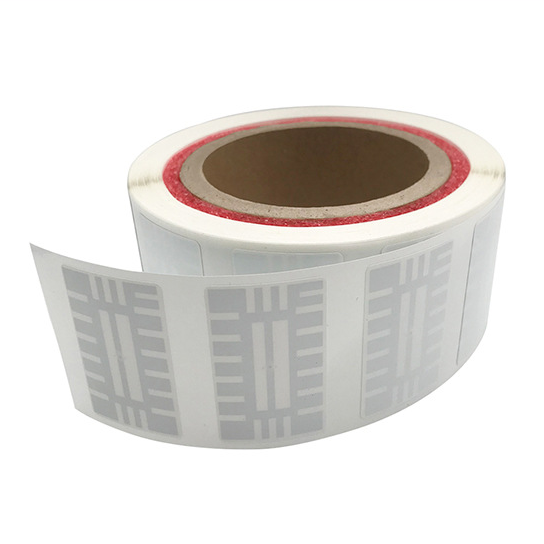
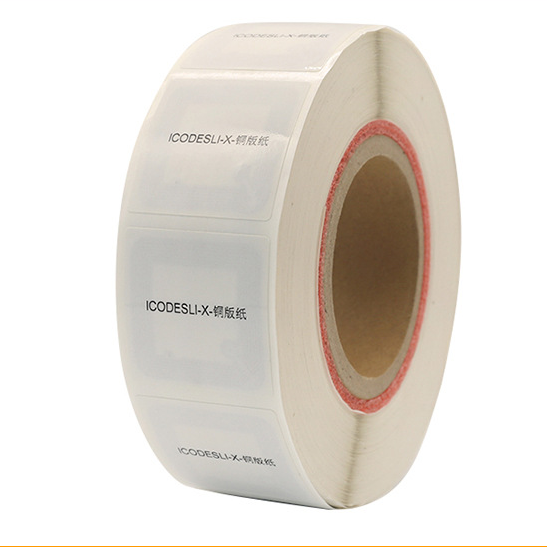
UHF tags is special labels that helps businesses keep track of their products. They are part of a tech called RFID, which mean Radio Frequency Identification. UHF stand for Ultra High Frequency, and these tags can send info over long distances. So a store can scan many items at once without needing to look each one closely. UHF tags help save time and reduce errors when managing inventory. Companies like FUWIT makes these tags to help businesses work better and faster.
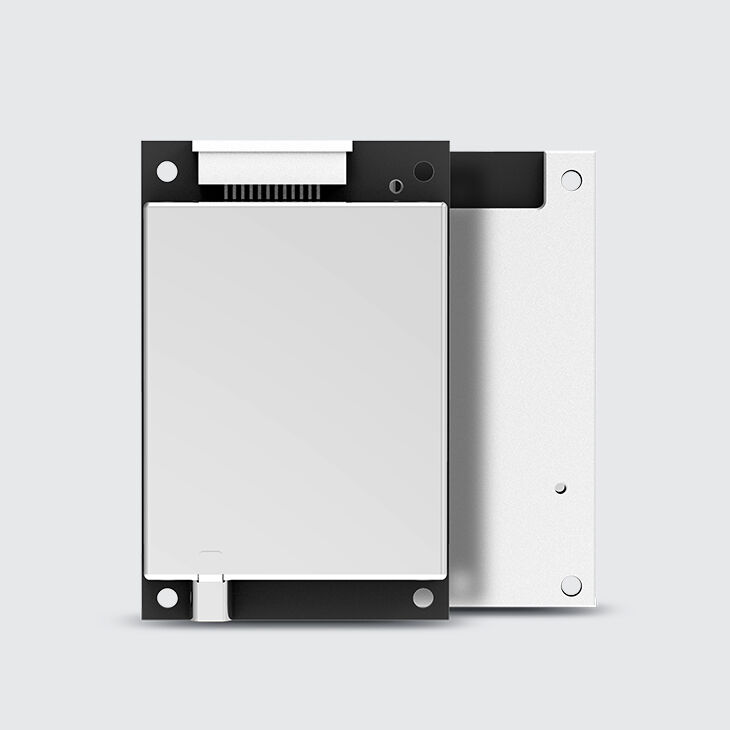
Why Your Handheld Needs a 4-Port UHF RFID Reader Module
Having a handheld device are super handy, specially when you need to scan stuff quick and easy. But to make your device better, it's a good idea to use a 4-Port UHF RFID Reader Modul. This special tool help your handheld read lots of RFID tags all at...
View More