 EN
EN

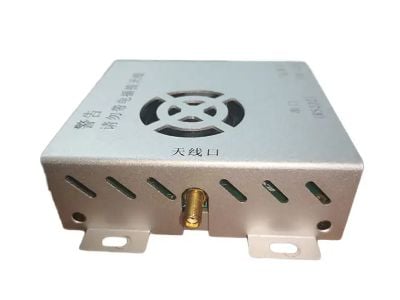
Libraries are a place for people to come to read, get information, and to learn. Many libraries use UHF RFID desktop readers in order to make a libraries work more effectively. These special computers can read the library items quickly and easily. FUWIT create these long range rfid scanner. They make libraries' jobs a lot easier. Libraries save time, and keep a better track of their books. This is helpful because libraries are a place where people search for specific things and get the information they need.
Impact of UHF RFID Desktop Readers on Library Efficiency
UHF RFID desktop readers can transform the operation of libraries. They function much like wands do in a fantasy movie, and they can read many items with one wave. Thus librarians do not need to scan items one by one. Instead they can read stacks of books in seconds. This is really helpful for libraries because they might have thousands of items to count. This technology in libraries from FUWIT also allows them to more efficiently check out and check in books. When library customers want to borrow a book they can place a stack on the reader and have all of them recorded on the library's computer system in a matter of seconds.
This technology also makes it more convenient for librarians to be sure of where the item's location is in the library. If an item has gone missing a librarian is easily able to see where the last place was that the book was scanned was recorded. This helps libraries because then there is not as much time lost trying to find missing items and the librarians can keep shelves organized much more efficiently. Libraries can use this information in order to tell which books are frequently checked out and which are not. This helps them decide which items to purchase.
They also make the experience of the library customer a much more pleasant and efficient one. Libraries want the customer to come in and find what they are looking for quickly. This technology makes sure that that happens because it cuts out the time they would usually have to spend waiting to check out their items. When libraries work efficiently many more people come to them for the pleasure of being able to utilize what the library has to offer.
How UHF RFID Desktop Readers Help Inventory Management in Libraries?
Managing inventory in a library is not an easy task. With so many items and so much data it is extremely difficult for the library staff to keep track of all the books and materials it contains. This problem is easily solved when a library invests in a UHF RFID desktop reader from FUWIT. The RFID readers allow librarians to easily keep track of what items they currently possess and which items need to be purchased. RFID tags provide a unique identifier to each library book and item, so when read by an RFID reader the item will know what it is and if there is more of it. This information then makes it possible for the library to keep up-to-date and make accurate inventories.
The speed at which these machines operate is also an asset because inventory could take hours if a librarian were to take each book and look through it for information. Now it only takes minutes. This gives the librarian time to focus on customers or on new items. It also helps the library maintain its inventory at its optimum capacity, so no items are missing at any point in time. The items can even be read without having to be taken out of the shelves.
What Wholesale Buyers Need to Know About UHF RFID Tech?
UHF RFID is an extremely advanced technology. The acronym UHF means Ultra High Frequency. What this signifies is that the RFID readers can be several feet from the RFID tag for them to be able to read information about it. This is different from older RFID technology, and offers many advantages to libraries. It allows librarians and customers to work with items in a way that has never been available before. UHF RFID reads items using radio waves, and the tags are tiny computers that can send data to the readers about the items they are associated with. The reader is an appliance which is used to receive the information transmitted by the tag. With libraries, many items must be read at once. UHF RFID readers can scan thousands of items with one sweep. It should make the libraries' operation of checking out and in books considerably easier.
For wholesale buyers it is imperative that you are aware of what you are buying. You want to make sure that the RFID readers your library is using are capable of doing a good job. For example, how many books can each library reader count in a matter of seconds? A well-made long range rfid reader should be able to handle a vast amount of items and also be very swift at their job. Another thing for a wholesale buyer to consider is range. A UHF RFID reader should be able to read tags from as far away as possible. This ensures that the library workers will not have to go to much effort while handling books, and allows for efficient shelving management. The way in which this product will work within a library's present systems is also critical. The readers must be able to integrate seamlessly.
How to Pick the Right UHF RFID Desktop Reader for Your Library?
It is of utmost importance that the library choose a UHF RFID desktop reader that fits all of the needs of the library. The first thing that must be considered is the size of the library. A larger library that has a significant number of books will obviously need to have readers with many scanning capacities. Some readers may have to have the capability of reading as many as one hundred tags at one time so that the staff do not have to waste much time on checking in and out books. Another factor for the reader is what special qualities it may possess. For instance, some readers come with pre-built software which helps make it easier for you to keep track of which books are currently checked out and whether or not books are overdue. In addition, the RFID reader ought to be simple for new employees to operate quickly and easily.
What Features Make UHF RFID Desktop Readers Essential for Libraries?
UHF RFID desktop readers have many valuable features that will not allow any library to be efficient without one. Perhaps the biggest quality about the readers is how fast they operate. A multitude of items can be read at once; so that the librarians and patrons do not waste precious time waiting to check out books, a situation that many patrons can find frustrating in busy libraries.
Another great quality is the extensive range of what a RFID reader can achieve. As far as how far away an RFID reader can see, UHF RFID readers can see from a total of three feet, and more in some cases. This means that library staff do not have to move items from the shelves in order to scan the RFID tag attached to it. This is a very helpful ability to have while maintaining library inventories and also just helping to save time.
Finally, the ruggedness of the reader is an important quality as well. In a place like a library equipment is bound to have many users, and the item needs to last for a number of years. FUWIT uhf rfid tag reader need to be able to endure many instances where the device may fall or be accidentally knocked off of an object.
Table of Contents
- Impact of UHF RFID Desktop Readers on Library Efficiency
- How UHF RFID Desktop Readers Help Inventory Management in Libraries?
- What Wholesale Buyers Need to Know About UHF RFID Tech?
- How to Pick the Right UHF RFID Desktop Reader for Your Library?
- What Features Make UHF RFID Desktop Readers Essential for Libraries?